Candace Temme
What is a school-based Speech-Language Pathologist?
As a school-based Speech Language Pathologists (SLP) we work in the educational setting and have a wide range of skills to identify and treat students with a variety of speech and language disorders such as articulation, receptive, expressive language, social language skills, voice, and stuttering disorders to support access to the general curriculum. Our goal is to support each child’s communication skills so they can fully participate in the classroom and access the general education curriculum.
We work with students on skills such as:
- Articulation: How we produce individual speech sounds
- Phonology: The speech patterns we use
- Apraxia: Difficulty motor planning and coordinating the movements needed for speech
- Fluency: Stuttering, Cluttering and Atypical Fluency Disorders
- Voice: Challenges with how the voice sounds, like hoarseness
- Receptive Language: Understanding spoken language
- Expressive Language: Using language to communicate
- Pragmatic Language: Social communication, or how we interact with others
- Hearing Loss/Deafness: Developing listening, speech, lip-reading, or alternative communication strategies
- Oral-Motor Disorders: Weak tongue or lip muscles that affect speech
- Swallowing/Feeding Challenges: While feeding and swallowing needs are addressed outside the school setting, SLPs are aware of these needs and how treat them
What is a Speech or Language Impairment? (SLI)
What is a Speech or Language Impairment? (SLI)
A child who meets the criteria for a Speech or Language Impairment (SLI) has a communication difficulty that makes it harder for them to access and benefit from the general education curriculum. School-based speech-language services are designed to support students whose speech or language needs affect their learning, classroom participation, or social interactions.
It’s important for families to know that not all speech or language differences qualify for an Individualized Education Program (IEP). For example, single sound errors (such as difficulty with one sound) or developmentally appropriate sound substitutions that many children use while learning to talk typically do not meet eligibility criteria on their own.
Under Colorado Department of Education (CDE) guidelines and the Individuals with Disabilities Education Act (IDEA), a student must show that their communication difficulty adversely affects educational performance. This means the challenge interferes with the student’s ability to learn, participate in classroom activities, or communicate effectively at school.
Our role is to carefully evaluate each child’s communication skills within the educational setting and provide support when speech or language needs impact academic, social, or personal success. When students qualify, services focus on helping them make meaningful progress and fully participate in their school experience.
How We Work
At school, we focus on helping students reach their speech and language goals in a fun, engaging way. Practice at home or in the classroom is key to success — just like learning to ride a bike or play an instrument, the more consistent the practice, the faster and stronger the progress. We send home simple, enjoyable activities that reinforce what we work on in therapy, helping students achieve maximum growth.
Even when a student does not meet the criteria for special education speech-language services, we know families may still have questions or want guidance. Please never hesitate to reach out as I always happy to partner with families and teachers, share ideas, and provide simple, supportive activities that can be practiced at home or reinforced in the classroom to help with developing speech sounds or communication skills. Working together helps support each child’s growth and builds confidence as they continue to develop their communication skills.
Helpful Websites
Medical Model VS Educational Model of Speech Therapy
What is SLI? (Speech-Language Impairment in the educational setting)
Consideration of Clinical Diagnosis
Help for Speech Sounds at Home/Mommy Speech Therapy
What Defines a School-Based Speech-Language Impairment?
- Name
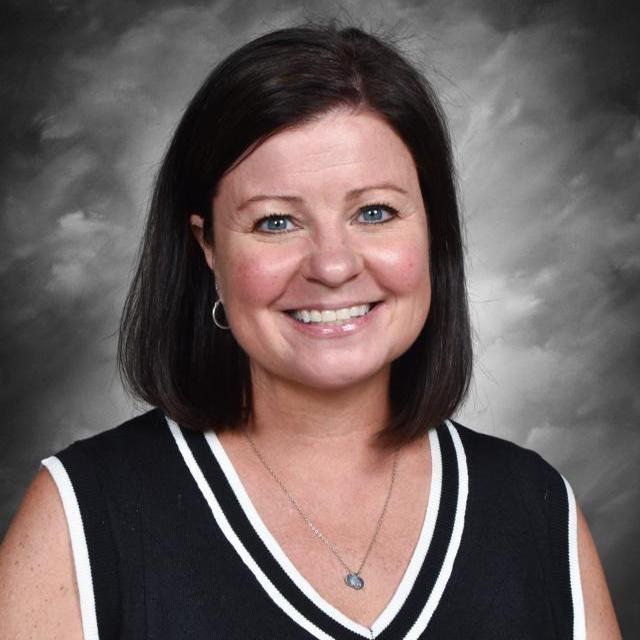
- Candace Temme
- Position
- Special Education Speech-Language Pathologist K-8
- ctemme@aspenviewacademy.org